
EXCLUSIVE | Apex Court Brings Hope to 1947 Refugee Sikh Families of Guru Tegh Bahadur Nagar, Mumbai
- Jagmohan Singh (@thewsneditor) - 
 792
792
![In a judgment that resonates deeply with the hopes and anguish of over a thousand displaced Sikh families in Mumbai, the Supreme Court of India on April 16, 2025, dismissed a plea by a private developer and upheld the redevelopment initiative of Maharashtra’s housing authority, MHADA, for the dilapidated colony of Guru Tegh Bahadur Nagar, Mumbai, the original hub of the Sikh Refugees of 1947. WSN Editor Jagmohan Singh comments on the judgement and narrates the hopes of the affected […]](https://www.theworldsikhnews.com/wp-content/uploads/2025/04/GTB-Nagar-Mumbai.jpg)
In a judgment that resonates deeply with the hopes and anguish of over a thousand displaced Sikh families in Mumbai, the Supreme Court of India on April 16, 2025, dismissed a plea by a private developer and upheld the redevelopment initiative of Maharashtra’s housing authority, MHADA, for the dilapidated colony of Guru Tegh Bahadur Nagar, Mumbai, the original hub of the Sikh Refugees of 1947. WSN Editor Jagmohan Singh comments on the judgement and narrates the hopes of the affected families.
Located in the heart of Mumbai, Guru Tegh Bahadur Nagar—named after the ninth Sikh Guru and a post-Partition haven for Sikh and Punjabi refugees—has long stood as a symbol of resilience. But since 2019, the colony has stood in ruins. Its 25 buildings, over six decades old, were razed due to their dangerously dilapidated condition. Since then, the residents, many of whom are elderly, have lived in rental accommodations, temporary shelters, or with relatives, awaiting a dignified return.
“This judgment is not just a legal outcome—it is a spiritual homecoming for hundreds of Sikh families,” said Gurmeet Kaur, a former resident of Building No. 14, now staying in Sion with relatives. “We lived for years with the Guru’s name in our address. Losing our homes felt like losing a part of our identity.”
MHADA’s Right to Redevelop
In its 18-page judgment, a Bench comprising Justices K. Vinod Chandran and Sudhanshu Dhulia ruled that the redevelopment of the colony by MHADA -Maharashtra Housing and Development Agency, under Regulation 33(9) of the Development Control and Promotion Regulations (DCPR) was lawful and in the public interest. Despite the land being freehold—and not government-owned, as erroneously cited in a state resolution—the Court found that MHADA had jurisdiction to intervene, provided the cooperative housing societies consented.
The appellants, Lakhani Housing Corporation Pvt. Ltd., had challenged the government’s move, citing unregistered agreements they had previously entered into with some residents. The Court found these agreements unenforceable and criticized the company for having done “pretty little in the last few years” since the buildings were demolished.
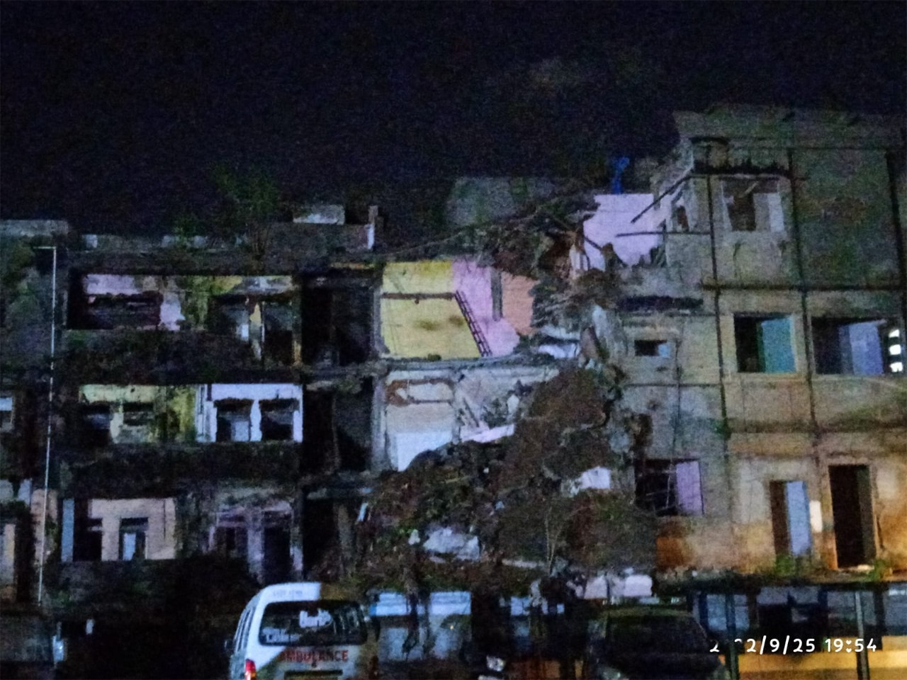
A Sikh Community’s Long Wait
Residents say they were promised new homes by private developers, but years passed with no progress.
“We were told in 2012 that new towers would come up, that we’d be given corpus funds and monthly rent,” said Manjit Singh, a 65-year-old displaced resident who now rents a one-room flat. “But except for a few token payments, nothing happened. And then, suddenly, MHADA came in. For the first time in years, I feel there’s someone watching over us.”
MHADA has now assured residents that each family will receive a flat of 635 sq. ft.—more than what was promised earlier. The societies representing 17 of the 25 buildings unanimously supported MHADA’s intervention, which the Court viewed as an expression of collective will.
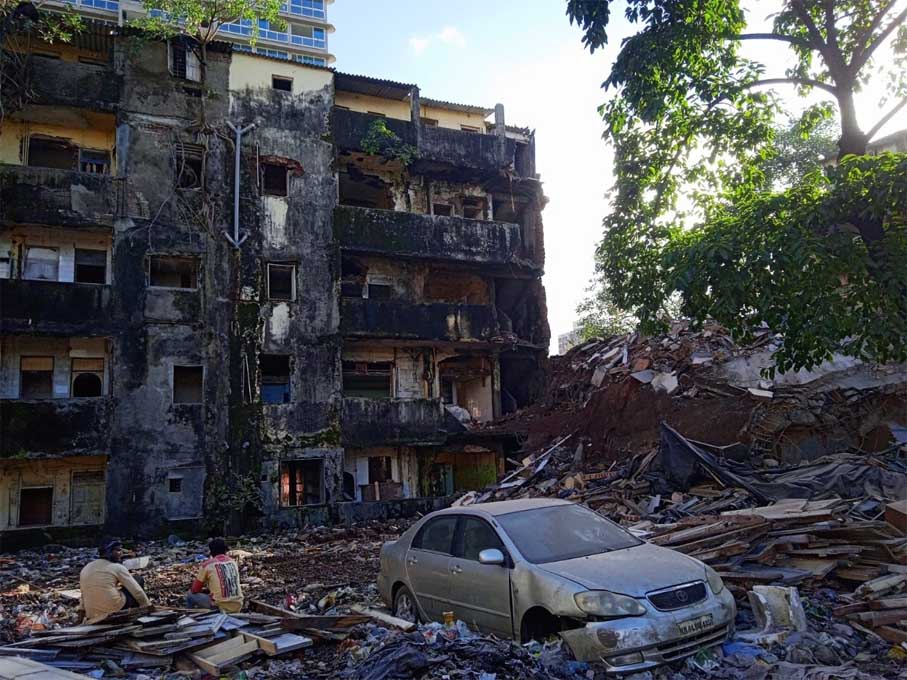
“This isn’t just redevelopment—it is a form of reparative justice for a community that gave everything during Partition and rebuilt its life in Mumbai,” said S. Paramjit Singh, a community elder and trustee of a local gurdwara. “We thank the Hon’ble Court for recognizing our rights.”
From Fragmentation to Unity
Originally resettled post-Partition, the Guru Tegh Bahadur Nagar colony was more than a housing project—it was a living archive of Punjabi and Sikh migration. Over the decades, it gave rise to a tight-knit community steeped in culture, sewa, and shared struggle.
The legal battle fractured that unity. Some residents sided with the private builder, hoping the promised higher corpus and monthly rents would materialize. Others grew disillusioned and called on the state for intervention.
In September 2022, a pivotal moment occurred when 716 residents signed a letter to the Maharashtra Housing Minister urging MHADA to take over the project. “We were desperate. We had no roof over our heads and no hope left,” recalled Rajvinder Kaur, a schoolteacher.
Their plea led to a Cabinet decision and an e-tender by MHADA, which the Court found entirely valid—even if the underlying assumption about the land’s ownership was mistaken.
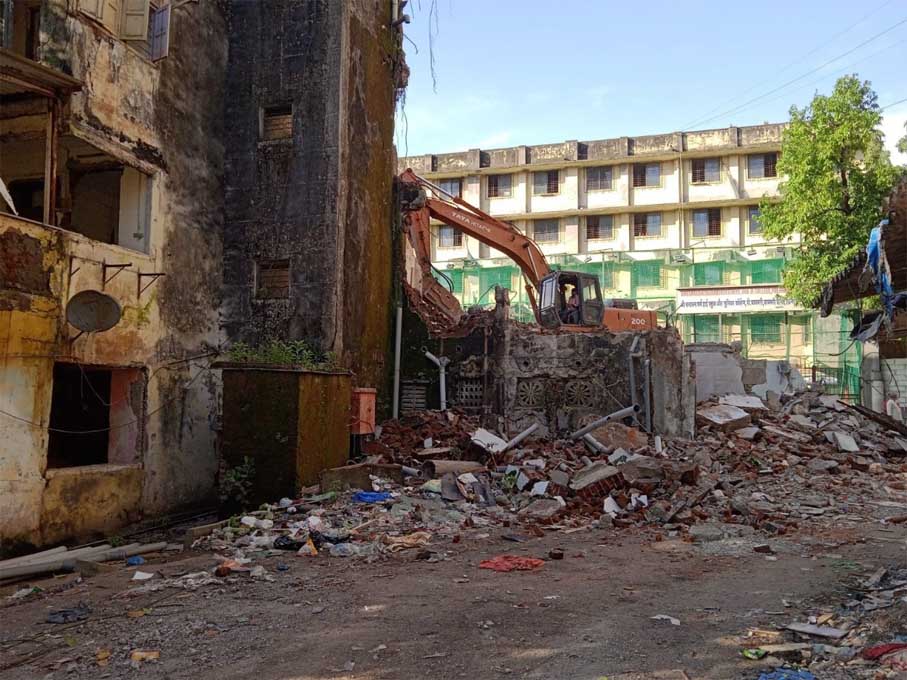
A Ray of Hope
The Court observed that the developer’s agreements were unregistered and had not been enforced for over a decade. It noted that the “appellants have no locus standi” to challenge the e-tender when the cooperative societies themselves supported MHADA’s involvement.
The judgment is being hailed as a victory for people over paper.
“Too often, developers make lofty promises but don’t deliver,” said Satwant Kaur, a lawyer who assisted some residents. “This judgment recognizes the voice of the community and upholds the sanctity of public interest over speculative contracts.”
Next Steps: From Verdict to Homecoming
With the Supreme Court clearing the legal hurdles, MHADA is now expected to move swiftly. The redevelopment will include transit housing, infrastructure improvements, and restoration of community spaces such as gurdwaras and langar halls, residents hope.
“Guru Tegh Bahadur was the guardian of the downtrodden,” said Simranpreet Singh, a college student whose grandparents lived in the colony. “It is only right that a place named after him is restored in his spirit—of justice, compassion, and dignity.”
Rebuilding with Faith
“This ruling reaffirms that the voice of the people, especially those who have contributed to Mumbai’s social and cultural fabric, cannot be brushed aside. The displaced families of Guru Tegh Bahadur Nagar have endured years of betrayal and broken promises. The apex court’s intervention has now given them a clear path home.”
In the Sikh worldview, a home is not just a structure—it is a space of seva, remembrance, and community. The Supreme Court’s judgment offers the possibility of restoring that space, after years of delay, division, and despair.
As Gurdwaras across Mumbai recite Ardaas in gratitude, the residents of Guru Tegh Bahadur Nagar look forward to returning—not to just four walls and a roof, but to a history that is theirs, a community that endured, and a name that still gives them strength.
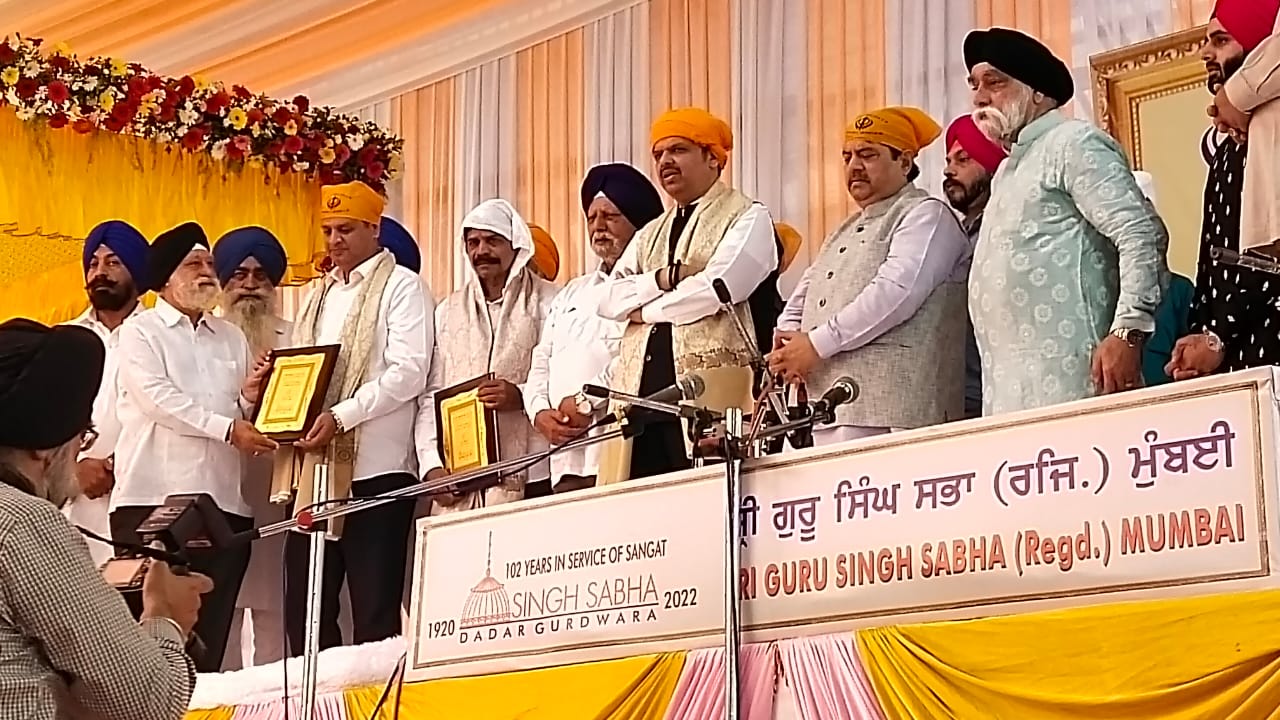
Manmohan Singh, President of Singh Sabha Mumbai, hailed the Supreme Court judgment as a “watershed moment” for Sikh dignity and justice in the city. “This ruling reaffirms that the voice of the people, especially those who have contributed to Mumbai’s social and cultural fabric, cannot be brushed aside. The displaced families of Guru Tegh Bahadur Nagar have endured years of betrayal and broken promises. The apex court’s intervention has now given them a clear path home,” he said. He also emphasized that Singh Sabha Mumbai would continue to monitor the redevelopment to ensure transparency and accountability.
In a follow-up statement, the Singh Sabha President also appealed for swift and humane implementation of the redevelopment plans. “We urge MHADA and the Government of Maharashtra to maintain momentum and ensure that seniors, children, and families who have suffered displacement are the first to benefit. Let this not be just a legal victory but a social one too. This is a chance for the state to rebuild trust with the Sikh community,” he added.
“This verdict is a testament to what collective will, political support, and community resilience can achieve.”
Ajit Singh, a tireless advocate for housing justice and convener of the Residents’ Coordination Committee, expressed deep gratitude to Maharashtra Chief Minister Devendra Fadnavis and local MLA Tamil Selvan. “This journey would have been far more arduous without their interventions,” he said. “From petitions to public meetings, their unwavering support gave strength to our movement. We salute their courage in standing up for a community that has long been neglected. This verdict is a testament to what collective will, political support, and community resilience can achieve.”

 Share
Share
 Print
Print
