
Dal Khalsa Hails Nobel Peace Laureate Navi Pillay, Seeks Voice for Oppressed Nations
- WSN News Bureau - 
 4
4
![Pro-Sikh self-determination political organisation Dal Khalsa has congratulated Justice Navanethem “Navi” Pillay on being awarded the 2026 Nobel Peace Prize and urged the internationally respected jurist to bring the unresolved human rights violations in Punjab under greater international scrutiny. In a letter addressed to the former United Nations High Commissioner for Human Rights, Dal Khalsa political spokesperson Kanwar Pal Singh praised Pillay’s lifelong struggle against apartheid, war crimes, genocide and state impunity. He said her work demonstrated that international justice […]](https://www.theworldsikhnews.com/wp-content/uploads/2026/10/Navi-Pillay.jpg)
Pro-Sikh self-determination political organisation Dal Khalsa has congratulated Justice Navanethem “Navi” Pillay on being awarded the 2026 Nobel Peace Prize and urged the internationally respected jurist to bring the unresolved human rights violations in Punjab under greater international scrutiny.
In a letter addressed to the former United Nations High Commissioner for Human Rights, Dal Khalsa political spokesperson Kanwar Pal Singh praised Pillay’s lifelong struggle against apartheid, war crimes, genocide and state impunity. He said her work demonstrated that international justice must not be subordinated to the political interests of powerful governments.
“Punjab and the Sikhs have waited decades for independent international scrutiny of the Indian state’s conduct. The massacres of 1984, enforced disappearances and extrajudicial killings cannot be allowed to disappear from the international human rights agenda merely because India is a powerful state,” Kanwar Pal Singh said.
The organisation recalled its engagement with Pillay’s office in March 2014, when a Dal Khalsa representative, through its international network coordinated with its Swiss unit, met Sabina Lauber of the Asia-Pacific Section at the UN Human Rights Office in Geneva.
During that meeting, a memorandum addressed to Pillay sought an independent international investigation into the Indian Army’s June 1984 assault on the Golden Temple complex, the November 1984 massacre of Sikhs and the widespread extrajudicial killings and enforced disappearances in Punjab.
Dal Khalsa said the memorandum reflected its longstanding conviction that domestic institutions had failed to deliver accountability for grave violations committed against Sikhs.
“The right to self-determination cannot remain an international promise selectively available to some peoples and denied to others. We appeal to Justice Pillay and other defenders of human rights to give serious attention to the Sikhs, Kashmiris and other unrepresented nations seeking justice, dignity and political freedom,” -Kanwarpal Singh
Referring to Pillay’s contribution to international justice, including her work concerning Rwanda and her leadership of the UN Commission of Inquiry into the Occupied Palestinian Territory, the organisation commended her willingness to confront state conduct despite intense political pressure.
It particularly cited the Commission’s 2025 finding that Israel had committed genocide in Gaza as an example of the independence expected of international human rights institutions.
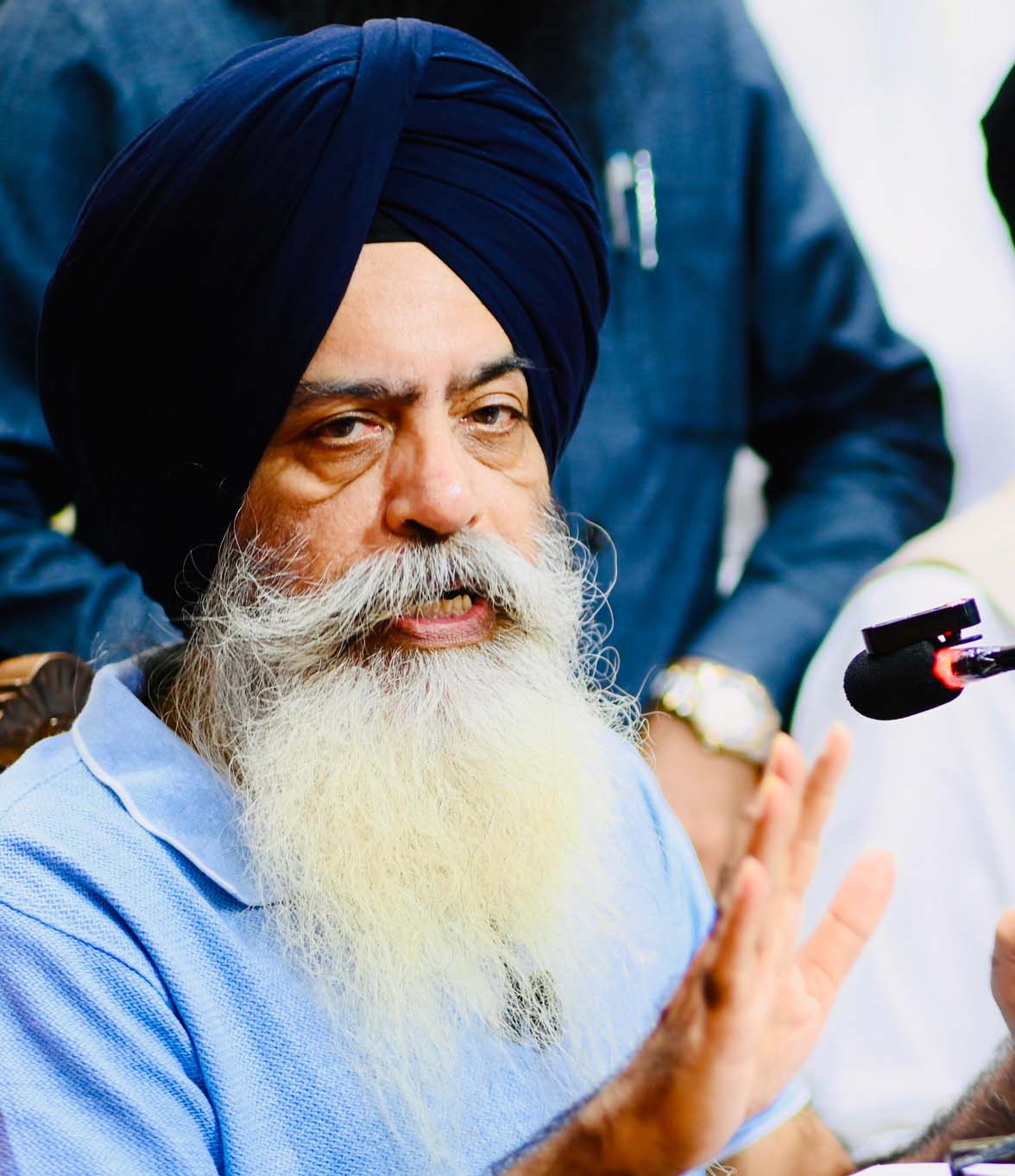
Kanwar Pal Singh said the international community must apply the same principles of accountability to peoples whose grievances receive little diplomatic attention.
“The right to self-determination cannot remain an international promise selectively available to some peoples and denied to others. We appeal to Justice Pillay and other defenders of human rights to give serious attention to the Sikhs, Kashmiris and other unrepresented nations seeking justice, dignity and political freedom,” he said.
Dal Khalsa maintained that recognition of historical wrongs, independent investigations and accountability for perpetrators were essential to any meaningful reconciliation.
The organisation expressed hope that Pillay’s international standing would help revive attention to Punjab and encourage human rights institutions to examine allegations of state crimes without political discrimination.
It concluded that lasting peace requires justice, and that the credibility of international law ultimately depends upon its equal application to powerful and powerless states alike.

 Share
Share
 Print
Print
